Team Building
Master Every Treasure Hunt

Forget paper maps and hand-scrawled riddles. Treasure hunting in 2025 looks nothing like it did even a decade ago. Today, the activity spans a massive ecosystem: from geocaching adventures across 191 countries to multi-billion-dollar corporate team-building programs and augmented reality experiences that blur the line between digital and physical worlds. Whether you're a weekend geocacher, a corporate event planner, or a parent designing a backyard adventure, succeeding at the modern treasure hunt means understanding the technology, psychology, and strategy behind today's best experiences.
This guide delivers more than 50 expert tips and strategies drawn from industry data, professional hunt organizers, and community insights. Use them to plan, design, or conquer any treasure hunt in 2025 and beyond.
Explore Our Adventures
All Cities
Key Takeaways
- Thorough preparation is the single biggest factor separating a memorable treasure hunt from a frustrating one, and organizers should walk the entire route before the event.
- If a treasure hunt clue consistently takes more than 10 minutes to solve during testing, simplify it or add a hint system.
- Responsible treasure hunters leave every location exactly as they found it, pick up any litter even if it isn't theirs, and avoid disturbing wildlife or vegetation.
- Treasure hunt organizers should test QR codes, GPS coordinates and AR features on multiple devices before the event and keep printed clue sheets as a fallback.
- Assigning team roles such as Navigator, Puzzle Master, Timekeeper and Photographer improves teamwork and makes sure everyone contributes in a group treasure hunt.
The State of Treasure Hunting in 2025: Why It Matters More Than Ever
Treasure hunting is a thriving global activity with real cultural, educational, and economic weight. The numbers speak for themselves.
According to the official Geocaching blog's 2024 year-in-review, 1,846,540 geocachers found at least one geocache during 2024, with the average geocacher finding 48 caches that year. As of early 2026, data from Search Logistics shows there are over 3 million active geocaches hidden across 191 countries. Germany, the United States, and the Netherlands led the world in geocache "find logs" in 2024.
The corporate side tells an equally striking story. According to High5 Test, the U.S. team-building market reached $4.74 billion in 2024, growing 21.74% year-over-year. For every $1 spent on team-building, companies report an average return of $4-$6, making treasure hunts a genuinely smart investment for organizations chasing engagement and collaboration.
Then there's the broader gamification market: the industry built around applying game mechanics to real-world activities. Fortune Business Insights valued it at $36.86 billion in 2025, with projections reaching $46.69 billion in 2026 and a compound annual growth rate of 26.64% through 2034. That explosive growth reflects a world hungry for interactive, game-based experiences.
Preparation and Planning: The Foundation of Every Great Hunt
Thorough preparation is the single biggest factor separating a memorable treasure hunt from a frustrating one. Every successful hunt begins long before the first clue gets placed.
Read also: Ultimate Treasure Hunt Puzzle Ideas
Tips 1–8: Research and Reconnaissance
- Tip 1: Study the area's history. Learning about the history, landmarks, and cultural significance of your hunt location adds depth to clues and enriches the whole experience for participants.
- Tip 2: Read reviews from other hunters. If you're joining an established hunt like geocaching, previous finders' logs and reviews can reveal terrain challenges, parking tips, and clue condition.
- Tip 3: Scout locations in advance. Walk the entire route before the event. Identify potential hazards, confirm that hiding spots are accessible, and time the distances between stops.
- Tip 4: Check local regulations. Searching on public or private land often requires a permit. Skipping this step can lead to fines or worse. It is illegal to enter private property without permission.
- Tip 5: Assess terrain accessibility. Make sure the route works for all participants, including those with different physical abilities. For inclusive events, create alternative activities or paths where needed.
- Tip 6: Check weather forecasts. Weather can make or break an outdoor hunt. Monitor conditions in the days leading up to your event and have contingency plans ready.
- Tip 7: Prepare a first aid kit. Safety should never be an afterthought. Carry basic medical supplies and make sure at least one organizer knows where the nearest emergency services are.
- Tip 8: Create a detailed timeline. Map out how long each segment of the hunt should take. For children's hunts, plan for about five minutes of walking between clue locations to maintain engagement without exhaustion.
Tips 9–14: Contingency Planning
- Tip 9: Seal clues in plastic bags. Rain, dew, and humidity will destroy paper clues. Waterproof protection is non-negotiable for any outdoor hunt.
- Tip 10: Prepare extra copies of every clue. Clues go missing (blown away by wind, taken by passersby, or simply lost). Backups prevent the hunt from grinding to a halt.
- Tip 11: Number your clues and envelopes. Organization prevents chaos. Numbering ensures clues land in the correct order and helps you troubleshoot when something goes wrong.
- Tip 12: Have an indoor backup plan. If weather turns severe, a condensed indoor version of your hunt ensures the event isn't a total loss.
- Tip 13: Test all technology beforehand. QR codes, GPS coordinates, and AR features must be tested on multiple devices before the event. Technical glitches rank among the most common sources of frustration in modern hunts.
- Tip 14: Designate a troubleshooter. Assign one person to stay available by phone throughout the hunt to help teams that get stuck or run into problems.
Technology Integration: What Sets 2025 Apart
Technology is the defining feature of modern treasure hunts. From QR codes to augmented reality, digital tools are reshaping how clues get delivered, how teams communicate, and how results are tracked.
Tips 15–22: Leveraging Digital Tools
- Tip 15: Use QR codes to reveal hidden messages. Print them on stickers, embed them in posters, or hide them at physical locations. A quick scan can unlock the next clue, a video message, or a puzzle.
- Tip 16: Incorporate augmented reality. AR technology lets participants "find" virtual objects using their smartphones, layering digital discovery on top of physical exploration.
- Tip 17: Manage events through communication apps. Tim Carter, owner of Black Cat Treasure Hunts, emphasizes the value of using WhatsApp for real-time interaction and marking, noting that it saves time and increases engagement. Apps let organizers send photo and video challenges, deliver results quickly, and stay in contact with all teams at once.
- Tip 18: Use GPS coordinates for precision. App-based hunts like Geocaching and Munzee rely on GPS to guide participants to exact locations. Providing coordinates adds a navigational challenge that many participants love.
- Tip 19: Explore the Adventure Lab app. Geocaching's Adventure Lab app lets creators build interactive, multi-stage scavenger hunts. According to the Geocaching blog, 6,034,563 Adventures were completed in 2024.
- Tip 20: Send photo and video challenges. Require teams to photograph themselves at specific landmarks or record short videos completing challenges. This drives engagement and creates memorable content.
- Tip 21: Consider hybrid formats. According to High5 Test, hybrid formats now account for 45% of all U.S. team-building programs in 2025. Blending digital and physical elements lets remote and in-person participants compete together.
- Tip 22: Keep a low-tech backup. Not every participant will be tech-savvy. Always have printed clue sheets on hand as a fallback for teams dealing with device issues.
Clue and Puzzle Design: The Art of the Challenge
Great clues are the heart of any treasure hunt. The best puzzles engage multiple problem-solving skills, scale in difficulty, and keep participants hooked from the first clue to the last.
Read also: QR Code Treasure Hunts Revolutionizing Games in 2025
Tips 23–32: Crafting Unforgettable Clues
- Tip 23: Use a variety of clue types. Modern treasure hunts mix QR codes, audio challenges, photo mysteries, AR clues, riddles, and physical puzzles. Variety keeps every team member engaged.
- Tip 24: Write riddles and wordplay. Rhymes, palindromes, and word games make clues more engaging and educational, especially for younger participants.
- Tip 25: Scale difficulty for your audience. For inclusive events, create multi-level difficulty options. Offer easier and harder versions of the same clue so all participants feel challenged but not defeated.
- Tip 26: Use location-specific clues. Tie clues to the physical environment: a statue's inscription, a building's founding date, or the number of steps on a staircase. This forces participants to actually observe their surroundings.
- Tip 27: Include audio clues. Record voice messages or sound effects that participants must listen to and interpret. This adds a sensory dimension that written clues alone can't match.
- Tip 28: Create photo mysteries. Provide a close-up or unusual-angle photograph of a location or object. Teams must figure out what and where it is to find the next clue.
- Tip 29: Build progressive difficulty. Start with easier clues to build confidence, then gradually ramp up complexity. The final clue should be the most challenging and most rewarding.
- Tip 30: Test every clue with a fresh set of eyes. What seems obvious to the creator may be impossible for participants. Have someone unfamiliar with the hunt attempt each clue before the event.
- Tip 31: Avoid ambiguity. Each clue should have one clear answer. Ambiguous clues breed frustration and wasted time, which can derail the entire experience.
- Tip 32: Time your clues. Estimate how long each puzzle should take to solve. If a clue consistently takes more than 10 minutes during testing, simplify it or add a hint system.
Theming and Immersion: Turning a Hunt into an Adventure
A strong theme transforms a simple scavenger hunt into an immersive story. It's one of the most effective ways to boost engagement and make the experience stick in people's memories.
Tips 33–40: Building the World
- Tip 33: Choose a compelling theme. Popular themes for 2025 include eco-friendly adventures, time travel, cultural exploration, and mystery puzzles, according to Alley Kat Adventures. For children, space odysseys and fantasy realms are especially engaging.
- Tip 34: Try the "Eco-Explorer" theme. This trending theme for kids' hunts in 2025 teaches environmental awareness while participants search for clues related to nature and sustainability.
- Tip 35: Use the "Digital Detective" concept. Another popular 2025 theme, "Digital Detective" hunts teach digital literacy alongside traditional problem-solving skills. Child development expert Jamie Wilson notes that such hunts prepare "children for a future where navigating between digital and physical worlds is second nature."
- Tip 36: Invest in props. Maps, compasses, costumes, and themed containers significantly boost immersion. Even simple props like a magnifying glass or a pirate hat can elevate the experience.
- Tip 37: Place intermittent rewards along the route. Small prizes like snacks, stickers, or small toys at key checkpoints keep motivation high, especially for children.
- Tip 38: Create a narrative arc. Give the hunt a story: a mystery to solve, a villain to outsmart, or a lost artifact to recover. Each clue should push the plot forward.
- Tip 39: Use themed language in clues. If your theme is pirate-based, write clues in pirate dialect. If it's a spy mission, use code names and classified document formatting.
- Tip 40: Design a memorable finale. The final discovery should feel like a genuine climax: a treasure chest, a surprise reveal, or a celebration. The ending is what participants will remember most.
Team Dynamics and Group Management
How you manage teams can make or break a group treasure hunt, whether it involves five friends or five hundred employees. Structure matters more than most organizers realize.
Read also: Innovative Team Building Treasure Hunts
Tips 41–47: Optimizing Team Performance
- Tip 41: Assign specific roles. Designate positions like "Navigator," "Puzzle Master," "Timekeeper," and "Photographer" within each team. Role assignment improves teamwork and makes sure everyone contributes.
- Tip 42: Enforce the "stay together" rule. It is a standard rule that teams must stay together throughout the hunt. This prevents individuals from racing ahead and keeps the experience collaborative.
- Tip 43: Balance team composition. Mix skill sets, experience levels, and personalities when forming teams. Diverse teams tend to approach problems more creatively.
- Tip 44: Set clear ground rules. For children's hunts, establish safety rules like staying with the group and waiting for an adult to cross streets. For corporate events, clarify scoring, boundaries, and time limits upfront.
- Tip 45: Consider evening hunts. Tim Carter of Black Cat Treasure Hunts highlights a growing trend of evening treasure hunts for corporate clients, often leading into a meal or party. Evening hunts add atmosphere and work well as a social prelude.
- Tip 46: Use treasure hunts for large groups. Carter also notes that larger companies are increasingly using treasure hunts as a cost-effective way to engage many employees at once, describing them as "excellent value by engaging the whole group" compared to alternatives like escape rooms or cocktail-making classes.
- Tip 47: Debrief after the hunt. For corporate events, a post-hunt discussion about teamwork, communication, and problem-solving strategies reinforces the learning outcomes and makes the whole experience more meaningful.
Educational Treasure Hunts: Learning Through Play
Treasure hunts are a powerful vehicle for experiential learning: a hands-on educational approach where participants learn by doing rather than by listening. The data backing this method is hard to ignore.
Tips 48–52: Designing Hunts That Teach
According to a 2026 data report from WifiTalents, which aggregates data from peer-reviewed studies and industry reports, 85% of student participants in experiential learning programs reported higher levels of critical thinking skills compared to traditional lecture-based learning. The same report found that experiential learning can increase student GPA by an average of 0.4 points and that 72% of experiential learners demonstrate improved problem-solving abilities.
- Tip 48: Align clues with learning objectives. Every puzzle should reinforce a specific skill or knowledge area. A history-themed hunt might require reading plaques; a math hunt might involve calculating distances.
- Tip 49: Use the "Time Travel Adventure" theme. This 2025 trending theme teaches history by sending participants to different "eras" at various locations, with clues tied to historical events and figures.
- Tip 50: Incorporate observation-based challenges. Ask participants to count, measure, describe, or sketch elements of their environment. This builds scientific observation skills naturally.
- Tip 51: Build in reflection moments. At certain checkpoints, ask participants to write or discuss what they've learned. Reflection deepens the educational impact of experiential activities.
- Tip 52: Celebrate effort, not just speed. In educational hunts, reward thoroughness, creativity, and collaboration rather than simply who finishes first. This shifts the focus from competition to genuine learning.
Environmental and Ethical Responsibility
Responsible treasure hunting is sustainable treasure hunting. Every participant has an obligation to protect the environments and communities where hunts take place.
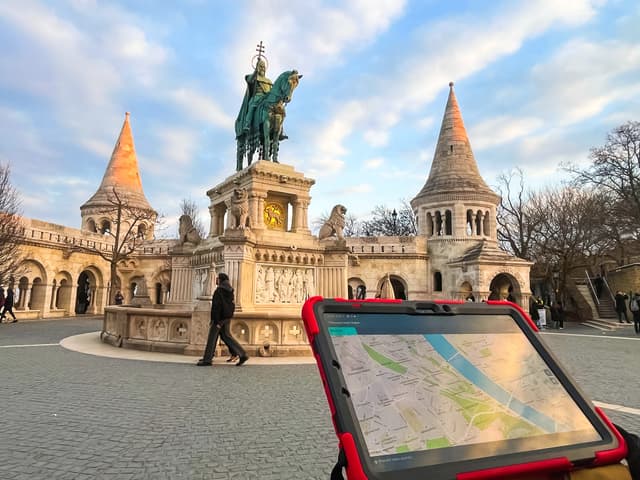
Read also: Budapest: Historic Beauty Meets GPS Treasure Hunts
Tips 53–57: Hunting Responsibly
- Tip 53: Leave no trace. Leave every location exactly as you found it. Pick up any litter, even if it isn't yours, and avoid disturbing wildlife or vegetation.
- Tip 54: Respect cultural heritage sites. Do not damage, deface, or remove anything from historically or culturally significant locations. If you discover historical artifacts during a hunt, report them to experts rather than pocketing them.
- Tip 55: Obtain all necessary permissions. Whether you're hiding clues on public land or private property, secure the appropriate permits and permissions well in advance.
- Tip 56: Use eco-friendly materials. Choose biodegradable or reusable containers for clues. Avoid single-use plastics and materials that could harm wildlife if left behind.
- Tip 57: Educate participants about responsibility. Include a brief environmental code of conduct in your hunt instructions. Making stewardship part of the experience reinforces positive behavior.
Avoiding Common Mistakes
Even well-intentioned treasure hunts can fall apart if organizers overlook key pitfalls. Poor design remains one of the most common reasons hunts disappoint.
- Tip 58: Don't make the route too long. Participant fatigue is real. A hunt that drags on past its welcome bleeds energy and enthusiasm. Keep the total duration appropriate for your audience.
- Tip 59: Don't rely solely on technology. App crashes, dead batteries, and poor cell reception can wreck a tech-heavy hunt. Always have analog alternatives ready.
- Tip 60: Don't skip testing. Run the entire hunt from start to finish with a test group before the real event. Test all clues and technology beforehand. This step is not optional.
Your Next Adventure Starts Now
The treasure hunt world in 2025 is richer, more diverse, and more accessible than it's ever been. With nearly 1.85 million geocachers active in 2024 alone, a corporate team-building market worth $4.74 billion, and a gamification industry growing at over 26% annually, opportunities for adventure are everywhere you look.
Whether you're solving clues on a city street, designing an educational hunt for students, or planning a corporate evening event that flows into dinner, these 60 strategies give you the tools to create or conquer any treasure hunt. The best hunts combine thoughtful preparation, creative clue design, smart use of technology, and a deep respect for the places and people involved.
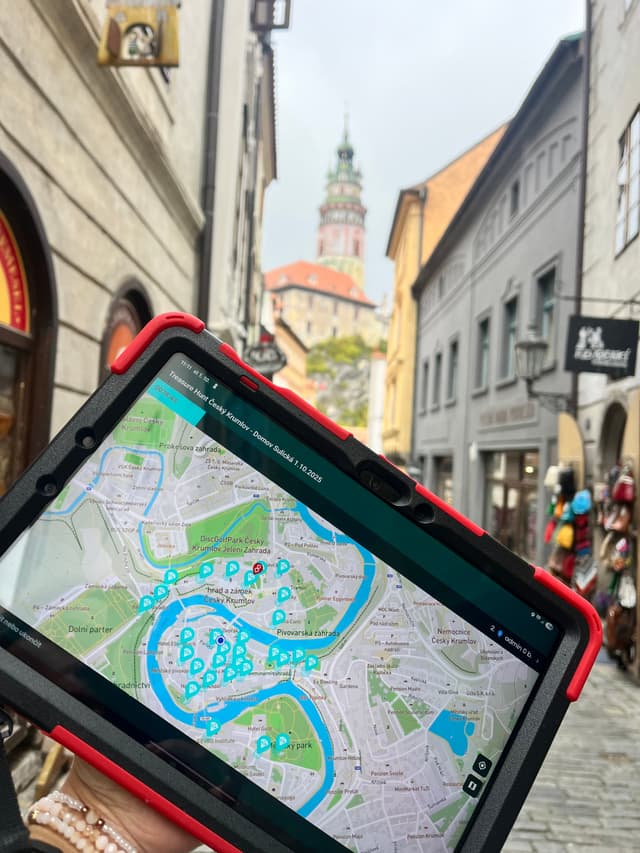
Ready to put these tips into action? TerraHunt at play.terrahunt.com offers city-wide outdoor treasure hunts where you can explore real-world locations, solve challenging clues, and compete against other adventurers. Your next great discovery is waiting.
Frequently Asked Questions
How do you prepare for an outdoor treasure hunt?
Walk the entire route before the event, identify hazards, confirm that hiding spots are accessible and time the distances between stops. Check local regulations and weather forecasts, carry basic first aid supplies, and prepare extra copies of every clue.
How can you protect treasure hunt clues from rain and loss?
Seal clues in plastic bags, because rain, dew and humidity destroy paper clues. Waterproof protection is non-negotiable for any outdoor hunt. Prepare extra copies of every clue too, since clues get blown away by wind, taken by passersby or lost, and number your clues and envelopes.
What makes a good treasure hunt clue?
A good clue has one clear answer, because ambiguous clues breed frustration and wasted time. Test every clue with a fresh set of eyes, since what seems obvious to the creator can be impossible for participants. Tie clues to the physical environment, such as a statue's inscription.
How do you plan a treasure hunt for children?
Plan for about five minutes of walking between clue locations to maintain engagement without exhaustion. Place small prizes like snacks, stickers or small toys at key checkpoints to keep motivation high, and set safety rules such as staying with the group and waiting for an adult to cross streets.
Do you need a permit for a treasure hunt on public land?
Searching on public or private land often requires a permit, and skipping this step can lead to fines or worse. Get the landowner's permission before entering private property, and secure permits well in advance of the hunt.