Cultural Exploration
Witches, saints, and the hill above Budapest
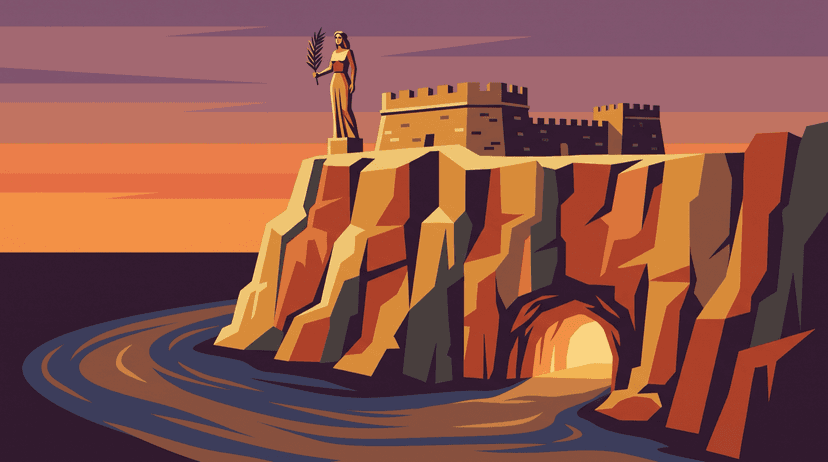
Stand at the Pest end of Elizabeth Bridge and look across the Danube. A dolomite cliff climbs out of the river, topped by a fortress and a woman holding a palm branch. That rock is where Gellert Hill Budapest history turns dark: a bishop's murder, a fortress built to threaten the city below it, and a chapel cut into a cave. This guide sorts what the sources record from what the storytellers add, then gives you a walking route that strings the dark chapters together in order.
Explore Our Adventures
 Medium
Budapest Grand Treasure Hunt
€29 per team
 Medium
Budapest Buda & Castle District Treasure Hunt
€24 per team
 Easy
Budapest City Center Treasure Hunt
€19 per team
 Easy
Essential Budapest Hunt
€8.90 per team
More Cities
Key Takeaways
- Gellert Hill takes its name from Bishop Gerard, whom Wikipedia says pagans assassinated during the great pagan rebellion in 1046.
- The barrel version of Gerard's death is framed as legend, while Wikipedia's opening line says he was thrown to death from the hill.
- Lonely Planet calls the Citadella a fortress that never saw battle, obsolete by the time it was ready in 1854.
- Budapest Info says the St. Gellért Rock Church was extended into a cave chapel modeled on Lourdes at the beginning of the 20th century.
- A good walking loop climbs the stairs from Elizabeth Bridge and descends via Verejték utca to the Cave Chapel near Liberty Bridge.
Why Does Gellert Hill Budapest History Begin With a Murder?
The hill takes its name from a missionary bishop. According to Wikipedia's entry on the hill, Bishop Gerard was assassinated by pagans during the great pagan rebellion in 1046. Hungarians call him Gellért, which is the name you'll see on every map.
The method is the part people remember. As Wikipedia tells it, he was put in a barrel and rolled down into the deep from the top of the hill. Since the 15th century, the same source says, the hill has been called Szent Gellért hegye, the hill of St. Gerard. Its Latin name, Mons Sancti Gerhardi, keeps the saint at the center too.
Before that, medieval records used other names. Wikipedia lists Kelen-hegy, Pesti-hegy (Pest Hill) and Blocksberg as the first recorded ones. So the saint wasn't always here. He moved in, so to speak, a few centuries after his death.
How Much of the Saint's Death Is Legend?
Read the sources closely and they're careful. Wikipedia's naming section says the hill's name refers to 'the legend about the death of St. Gerard.' Yet the same article's opening line states plainly that he 'was thrown to death from the hill.' A barrel rolling down a slope and a body thrown from a height are two different scenes, and the encyclopedia carries both.
Here's a workable rule for the walk. The year, the rebellion and the bishop's violent death are what the reference entries record. The barrel is the storytelling. Treat it as lore, the kind of detail that gets sharper every time someone retells it on the stairs.
Look up at the cliff from the riverbank and you'll see why the story stuck. Budapest Info describes a rock face overlooking the Danube, and from below it reads like a stage set built for exactly this tale.
What Did the Hill Mean Before the Saint?
The names stack up like layers of rock. Wikipedia explains that Pesti-hegy referred to the large cave in the hillside, today's Gellert Hill Cave, and traces the word, tentatively, to a Slavic root meaning oven or cave.
The Ottoman period brought a different holy figure. Wikipedia records that the Ottoman Turks called the hill Gürz Elyas bayiri, after a holy man of the Bektashi order whose shrine and grave on the summit drew pilgrims in the 17th century. One hill, two holy men, two faiths, centuries apart.
There's a geography joke hiding here too. Hungarian Wikipedia points out that at 235 meters, the hill is officially only a hill, since in that classification mountains start at 300 meters above sea level. The same source notes that the hill became a protected nature area of national importance in 1997.
So Where Are the Witches?
If you searched for this hill's witch history, you've probably met stories about witch trials connected to it. Here's the candid part. None of the sources behind this article (Budapest Info, the English and Hungarian Wikipedia entries, Lonely Planet, AFAR and Time Out) documents a witch trial tied to Gellert Hill, so this guide won't retell one as fact.
That's what a fact versus myth check looks like in practice. A story isn't false just because these sources skip it, but it isn't verified either. Before you repeat a witch trial date to your kids on the summit, ask a museum or archive for the primary record.
The old German name Blocksberg does appear among the earliest recorded names, per Wikipedia. What, if anything, that name says about witches is a question these sources leave open. The documented history turns out dark enough without any help.
Why Did the Habsburgs Build a Fortress Aimed at the City?
The Citadella crowns the summit, and its purpose was blunt. Lonely Planet says it went up after the 1848-49 War of Independence to discourage further insurrections, with big guns aimed at the city from loopholes in the outer walls. AFAR describes it as built by the Austrians in the mid-1800s to control the Hungarians after the revolution was crushed.
Then comes the irony. Lonely Planet calls it a fortress that never saw battle, obsolete by the time it was ready in 1854 because the political climate had shifted. It didn't stay untouched, though. AFAR notes that German SS troops used it in World War II, and Lonely Planet tells visitors to look for shrapnel damage from WWII and 1956.
Above the walls stands the Liberty Monument. Lonely Planet says it was inaugurated in 1947 to honor the Soviet soldiers who died liberating Hungary. After the regime change, their statues moved to Memento Park, and the monument now commemorates all who gave their lives for Hungary's freedom. Same palm-bearing figure, very different meaning.
The fortress has been under renovation. Time Out reported in November 2025 that the Citadella would reopen on Hungary's Independence Day, March 15, with a glass pedestrian bridge, a walk-through exhibition called 'The Bastion of Freedom', an eternal flame in the courtyard and a new cafe. Check the current status with Budapest Info before you plan around the interior.
What Lies Inside the Hill?
The hill is hollow in places, and warm. Budapest Info explains that the thermal springs feeding the surrounding baths sit within Gellert Hill, and that the Mátyás, Rákóczi and Árpád springs helped shape its caves.
The best known is St. Ivan's Cave, home to the Chapel of the Order of St. Paul, also called the St. Gellért Rock Church. Only part of it is natural. According to Budapest Info, new passages were cut at the beginning of the 20th century to turn it into a rock church modeled on the cave at Lourdes. Step in from the riverside traffic and the rock closes overhead, and the city's noise falls away behind you.
A Dark History Walk Up Gellert Hill
This route tells the story in order: saint, siege, sanctuary. It uses the two ascents Lonely Planet describes, going up one and down the other. Lonely Planet calls the climb strenuous and AFAR calls it steep, so wear proper shoes and bring water.
- Start on the Pest side and cross Elizabeth Bridge. Take the stairs Lonely Planet places behind the St Gellért Monument, on the cliff side that frames the legend. Pause where the Danube opens up below and retell both versions of Gerard's death.
- Keep climbing to the summit for the Citadella walls and the Liberty Monument. Hunt for the shrapnel scars Lonely Planet mentions and count the loopholes once aimed at the city. Budapest Info lists the address as 1118 Budapest, Citadella sétány 1, if you want a map pin.
- Detour along the hilltop paths for the extras Budapest Info names: the Garden of Philosophers, where statues of Buddha, Gandhi and Jesus stand under shady trees, the Lookout Stone with its meeting of Prince Buda and Princess Pest, and St. Gellért Falls. Families can add the playgrounds and slide park Lonely Planet mentions.
- Descend through the park on Verejték utca, nicknamed Perspiration Street, to reach the Cave Chapel. Finish inside the rock church, then cross Liberty Bridge back to Pest.
- Short on energy? Lonely Planet notes that bus 27 runs almost to the top from Móricz Zsigmond körtér, reachable on the M4 metro and trams 18, 19, 47 and 49. Ride up, then walk the route downhill in reverse.
Is October the Best Time for the Spooky Version?
October is a bonus, not a requirement. National Geographic reports that each October 31 the Aquincum Museum stages a Samhain re-enactment honoring Budapest's Celtic origins, with costumed performers, fire duels, fortune telling and retellings of Celtic legends. The magazine calls it the only public Samhain event in Budapest.
It isn't on Gellert Hill, but it pairs well with a hill walk earlier in the week. For the hill itself, AFAR's reader tips suggest hiking up in the evening to watch the sky darken over the Danube, and early autumn sunsets make that easy to fit before dinner. Lonely Planet adds that locals fill the paths on weekends after lunch, yet the hill never gets too crowded.
Here's the rule of thumb for this hill: up the cliff stairs from Elizabeth Bridge, down Perspiration Street to the Cave Chapel, and ask 'which source?' at every story. The 1046 rebellion, the 1854 fortress and the shrapnel scars are on the record. The barrel is legend. Witch trials stay unverified until someone shows you a primary document. Save the climb for late afternoon, check the Citadella's status before you go, and let your crew score points for spotting which tale is which.
Frequently Asked Questions
Why is Gellert Hill in Budapest named after Saint Gerard?
Gellert Hill is named after Bishop Gerard, who was assassinated by pagans during the great pagan rebellion in 1046, according to Wikipedia. Legend says he was put in a barrel and rolled down the hill. The name Szent Gellért hegye has been used since the 15th century.
How do you get to the top of Gellert Hill in Budapest?
You can walk up the stairs behind the St Gellért Monument at Elizabeth Bridge or follow Verejték utca from the Cave Chapel near Liberty Bridge. Lonely Planet also notes that bus 27 runs almost to the top from Móricz Zsigmond körtér.
Were there witch trials connected to Gellert Hill in Budapest?
No source used for this guide documents witch trials tied to Gellert Hill. Budapest Info, Wikipedia, Lonely Planet, AFAR and Time Out cover the saint, the fortress and the caves, so treat witch trial stories as unverified until you see a primary record.
What is inside the cave church on Gellert Hill Budapest?
The cave church sits in St. Ivan's Cave and houses the Chapel of the Order of St. Paul. Budapest Info says the cave is only partly natural, with passages added at the beginning of the 20th century to model it on the cave at Lourdes.
Is the Citadella on Gellert Hill in Budapest worth visiting?
The Citadella is worth the climb for its history and views over the Danube. Lonely Planet says the Habsburgs aimed its guns at the city and that its walls show shrapnel damage from WWII and 1956. Check its current opening status before visiting.
Keep exploring Budapest
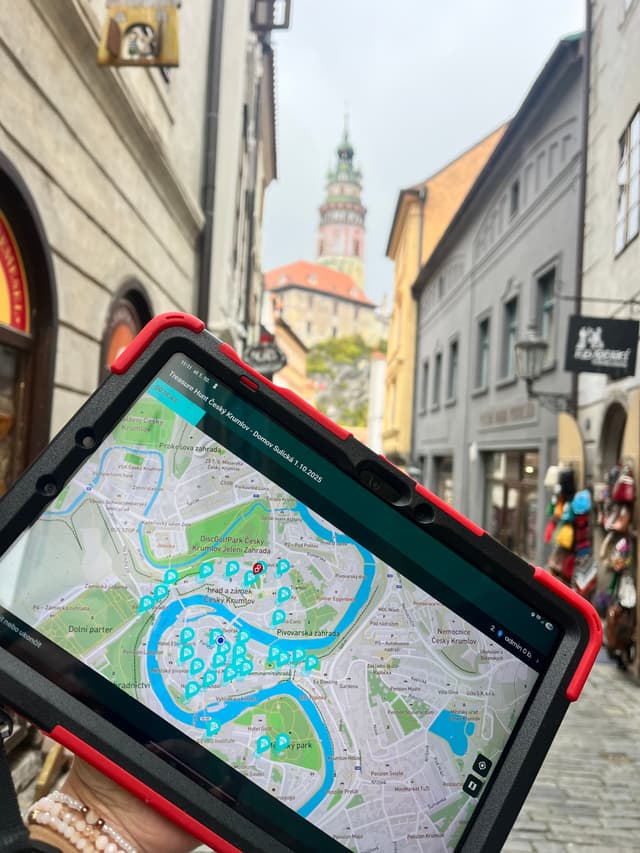
If you want the city to talk back while you walk, the Budapest treasure hunts turn these same streets into a game. How it works, start times, and team sizes are on the how it works page.
Related reading: Budapest with Kids Beyond the Baths, Budapest in One Day, Baths Included.