City Guides
Walking Tours Showcasing Hidden Landmarks

Picture this: you're walking down a side street you've passed a hundred times, and someone points out a faded mosaic above a doorway. It's a remnant of a 1920s jazz club that burned down decades ago. Suddenly, the street isn't just a street anymore. It has a pulse. That's the power of a hidden landmark tour, and in 2026, it's exactly what travelers are hungry for.
The crowded landmarks and cookie-cutter guided tours? They're losing their grip. Today's visitors want the overlooked courtyard, the unmarked historical plaque, the family-run café that locals have loved for decades. They want stories, not scripts. For tour creators, city planners, and adventure platforms like TerraHunt, this shift opens up enormous opportunity.
Creating a walking tour around hidden landmarks isn't a niche hobby anymore: it's a strategic move with real economic impact, powered by accessible technology and driven by deep psychological needs. This guide breaks down exactly how to build one, from narrative design to tech platforms to marketing strategy.
Explore Our Adventures
All Cities
Key Takeaways
- A walking tour of hidden landmarks is designed in four stages: theme selection, route planning, content creation and the strategic blending of hidden elements with familiar sites.
- Most walking tours are advertised as approximately two hours long, so a hidden landmark route should be walkable within that window without exhausting participants.
- Audio snippets on a self-guided walking tour ideally last 2 to 3 minutes per stop, long enough to be substantive and short enough to hold attention.
- Offline functionality is critical for self-guided walking tours because users need to download tours and maps before they start, especially in neighborhoods with poor connectivity.
- Walking tours of hidden landmarks need a sustainable approach that respects each location's capacity, since promoting a landmark can cause the overcrowding the tour was designed to avoid.
Why Hidden Landmarks Matter More Than Ever
Hidden landmarks are the sites that fall outside the typical tourist circuit: architectural details, local art installations, historical markers, neighborhood institutions. In 2026, they sit at the center of a major shift in how cities approach tourism and how travelers define a meaningful trip.
Read also: Create Self-Guided Walking Tours Like a Pro 2026
The Economic Case for Going Off the Beaten Path
Tourism spending doesn't have to concentrate in a city's most famous square. According to Airbnb's 2025 economic impact report, travel on Airbnb generated over $90 billion in economic activity in the U.S. in 2024, with nearly 50% of guest spending occurring in the neighborhoods of their listings rather than in traditional downtown tourist hubs. That dispersal of spending supported over one million jobs nationwide.
For anyone designing walking tours, this data point matters. When you route visitors through lesser-known neighborhoods, you're not just offering a novel experience; you're channeling money toward small, local businesses like cafes, shops, and galleries. It becomes a model for community revitalization and more sustainable tourism. And for cities grappling with overcrowding at major attractions, hidden landmark tours offer a practical way to distribute visitor traffic and reduce environmental strain.
The Psychological Pull of Discovery
The demand for hidden gems isn't purely economic: it's deeply human. Modern travelers crave authentic experiences, self-discovery, and genuine connection with local cultures. Stumbling upon a site that feels undiscovered makes a trip more memorable and personally meaningful. There's a desire for exclusivity at play, too: the pull of unique experiences that can't be easily replicated.
Travel industry analyst Maclaine Kuehn has described how the "experience economy" is evolving from simple memory-making to what she calls "meaning-making." As she puts it, "visitors in 2026 want travel that doesn't just entertain them but enriches them." That sentiment captures a broader trend: travelers choosing purpose-driven, authentic exploration over simple photo opportunities.
What does this mean for tour creators? A well-crafted hidden landmark tour taps into something powerful: the traveler's need to feel like they've gone beyond the surface and discovered something real.
How to Design a Walking Tour Around Hidden Landmarks
A successful walking tour is built around a strong narrative, not just a list of facts and GPS coordinates. The design process breaks down into four key stages: theme selection, route planning, content creation, and the strategic blending of hidden elements.
Step 1: Choose a Captivating Theme
Every great tour needs a central theme: a narrative thread connecting the various stops. Without one, you have a list of locations. With one, you have a story.
Themes can be drawn from virtually any angle:
- Historical: "Cold War Secrets of [City Name]" or "The Forgotten Fire of 1897"
- Artistic: "Street Art and Murals: The Unauthorized Gallery"
- Culinary: "A Taste of the Old Neighborhood"
- Architectural: "Art Deco Details You Walk Past Every Day"
The theme transforms a walk into an experience. It gives participants a lens through which to see familiar streets in an entirely new way, and it's what makes your tour stand out in an increasingly competitive market.
Step 2: Plan a Logical, Comfortable Route
Route planning is where storytelling meets logistics. Most walking tours are advertised as being approximately two hours long, so your route needs to be walkable within that window without exhausting participants or requiring excessive backtracking.
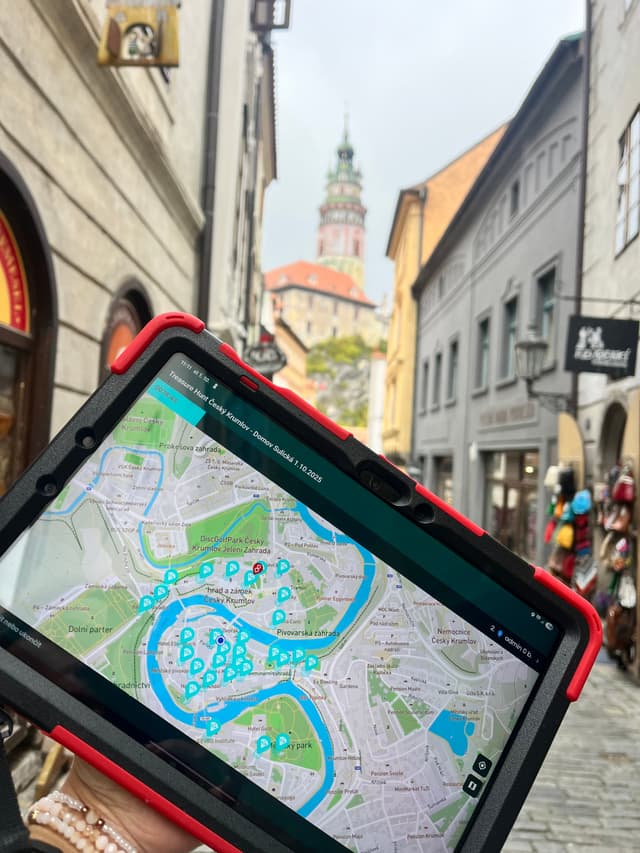
Use a digital mapping tool like Google Maps to plot your points of interest and test the route for distance and flow. A few things to keep in mind:
- Minimize backtracking: a loop or linear route feels more natural than zigzagging.
- Account for rest points, especially near cafes or benches.
- Factor in terrain: hills, stairs, and uneven surfaces affect pacing.
- Think about the narrative arc: your route should build toward a satisfying conclusion, not just fizzle out.
Step 3: Create Compelling Content for Each Stop
For each stop, gather interesting facts, historical context, and compelling anecdotes. The goal is to make each location come alive with story, not just information.
For digital and audio tours, keep content concise and engaging. Audio snippets ideally last 2-3 minutes per stop: long enough to be substantive, short enough to hold attention. High-quality visuals, including photos, videos, and historical images, are crucial for enriching the storytelling in app-based tours.
Step 4: Blend the Famous with the Forgotten
Here's the real trick: balance. You don't need to avoid well-known sites entirely; in fact, including a few recognizable landmarks provides orientation and credibility. The magic happens when you weave those familiar sites together with lesser-known local favorites.
Hidden elements can include:
- Unique architectural details on otherwise familiar buildings
- Historical plaques that most pedestrians walk past without noticing
- Local art installations tucked into alleyways or courtyards
- Family-run shops and businesses with stories worth telling
- Sites connected to little-known historical events
This blend gives participants the thrill of discovery while keeping the tour accessible and easy to navigate.
Technology Platforms That Make Tour Creation Accessible
No-code app builders have democratized walking tour creation and distribution. In 2026, you don't need a development team or a six-figure budget to build a professional, self-guided tour experience. Several platforms have emerged as leaders in this space, each with distinct strengths.
Read also: Europe's Hidden Travel Gems
STQRY
STQRY is a versatile platform that lets organizations create fully branded mobile apps for location-based tours, museums, and cultural experiences. It offers geofenced alerts, quizzes, augmented reality support, and offline access. According to STQRY's published pricing, their portal app (STQRY Guide) starts at $495 per year, while their Standard Plan for a fully branded app runs around $2,495 per year. That makes it a strong option for tourism boards, museums, and organizations that want a polished, branded experience.
VoiceMap
VoiceMap takes a different approach, focusing on individual storytellers. Local experts, historians, journalists, and passionate residents can create and sell GPS-triggered audio tours through the platform. Its founder, Iain Manley, built it to replicate the experience of having a local "take you under their wing and show you a particular city."
The revenue model is straightforward. According to VoiceMap's tour publisher documentation, creators earn a royalty of 50% to 65% on sales through VoiceMap's channels. For a tour sold at $9.99 on their website, a creator's royalty would be approximately $4.65 after payment processing fees. The platform also provides an editor to assist creators in the production process and offers free voucher codes to help generate initial reviews.
Driftscape
Driftscape is a city tour builder that leans heavily into gamification and interactive elements. According to Driftscape's published case studies, the platform has helped destinations promote local businesses and cultural events, with one tour seeing a 1000% increase in views. It also features an AI-powered business directory that keeps listings updated automatically: a valuable feature for reducing the content maintenance headaches that plague many digital tours.
Essential Tech Features for Hidden Landmark Tours
Regardless of which platform you choose, certain features are non-negotiable for a hidden landmark tour in 2026:
- GPS-Triggered Content: Audio and text that automatically play when a user reaches a specific location, creating a seamless, hands-free experience. This matters especially for hidden landmarks where users might not know exactly what they're looking at.
- Offline Functionality: Users need to download tours and maps before they start. This is critical in neighborhoods with poor connectivity, which is often exactly where hidden gems are found.
- Multimedia Integration: High-quality photos, videos, and historical images enrich the storytelling and help users visualize what a site looked like decades or centuries ago.
- Interactive Elements: Quizzes, polls, or "before and after" image sliders increase engagement and transform passive listening into active exploration: something that platforms like TerraHunt have built their entire model around.
Marketing Your Walking Tour for Maximum Reach
Creating a brilliant tour is only half the battle. Without effective promotion, even the best-designed experience will go undiscovered: an ironic fate for a tour about hidden landmarks.
Read also: Stephansdom Vienna's Unique Must-Visit
Build Local Partnerships
Collaborate with local businesses, museums, and monuments mentioned in the tour. If your tour stops at a neighborhood bakery to tell the story of its 80-year-old sourdough starter, that bakery has every reason to promote your tour to its customers. Both sides benefit from increased visibility and foot traffic. It's a natural, symbiotic relationship.
Invest in Digital Marketing
Promote the tour on social media, travel blogs, and your own website. QR codes placed in print materials (at hotels, visitor centers, and partner businesses) make it easy for people to download the tour on the spot. This bridges the gap between physical discovery and digital engagement.
Leverage Platform Distribution Networks
One major advantage of using established platforms like VoiceMap and STQRY is their built-in discovery features and partner networks. These platforms often distribute tours through channels like Viator and TripAdvisor, which can significantly amplify a tour's reach beyond what an independent creator could achieve alone.
Prioritize Reviews and Social Proof
Encourage early users to leave ratings and reviews. Positive social proof remains one of the most powerful tools for attracting new customers in the travel space. As noted earlier, VoiceMap provides free voucher codes to creators specifically to help generate those crucial initial reviews.
The Role of Community-Led Storytelling
The most authentic hidden landmark tours come from the people who know the landmarks best: local residents. Experts in community-based tourism advocate for engaging local communities directly in tourism development. This means community-led tours where residents share their own stories and traditions, ensuring they retain control over their cultural representation and receive direct economic benefits.
This approach lines up perfectly with the broader traveler demand for authenticity. A tour narrated by a lifelong neighborhood resident carries a weight and warmth that no corporate script can replicate. VoiceMap has built its entire model on this insight, empowering local historians, journalists, and passionate residents to become tour creators.
For platforms like TerraHunt, the community-driven approach adds another layer. When local knowledge combines with gamification (clue-solving, treasure hunts, competitive elements), the result is an experience that feels both deeply authentic and genuinely fun.
Risks and Challenges to Consider
No strategy comes without pitfalls. Tour creators in 2026 should keep several challenges on their radar.
Market Saturation
As no-code platforms lower the barrier to entry, more people are creating walking tours. Competition is growing. A unique theme and high-quality storytelling become essential to stand out in a crowded marketplace.
The Paradox of Promotion
There's an inherent tension in promoting hidden landmarks: publicizing a hidden gem can lead to its popularization, potentially causing the same overcrowding the tour was designed to avoid. A sustainable approach that respects a location's capacity (and perhaps rotates featured sites over time) is necessary.
Technology Dependence
App-based tours require users to have a charged smartphone and be comfortable with the technology. Offline access mitigates connectivity issues, but the fundamental reliance on a device remains a limitation, particularly for older demographics.
Content Maintenance
Business hours change. Landmarks get renovated. Murals get painted over. Digital tours require regular updates to stay accurate and reliable. Platforms with AI-powered listings or easy content management systems (like Driftscape's AI-powered business directory) can help ease this ongoing burden.
Turning Hidden Landmarks Into Unforgettable Adventures
The opportunity in 2026 is clear. Travelers are actively seeking hidden gem destinations to avoid overcrowding and find more authentic experiences. The technology to create professional, self-guided tours is accessible and affordable. And the economic data shows that directing visitors off the beaten path benefits entire communities, not just tourist hotspots.
Whether you're a local historian with decades of neighborhood knowledge, a tourism board looking to distribute visitor traffic more sustainably, or a platform like TerraHunt building gamified city adventures, the formula holds: start with a compelling theme, design a thoughtful route, tell stories that matter, use technology to deliver them seamlessly, and market strategically through partnerships and social proof.
The hidden landmarks are already out there, waiting. The only question is whether you'll be the one to help people find them.
Frequently Asked Questions
What should a hidden landmarks walking tour include?
Hidden elements can include unique architectural details on familiar buildings, historical plaques that most pedestrians walk past, local art installations in alleyways or courtyards, family-run shops with stories, and sites tied to little-known events. A few recognizable landmarks provide orientation and credibility.
How do you choose a theme for a walking tour?
Pick one central theme that acts as a narrative thread connecting the stops. Themes can be historical, artistic, culinary or architectural, such as Cold War secrets, street art and murals, or Art Deco details. Without a theme you have a list of locations. With one, you have a story.
How do you plan a walking tour route?
Plot your points of interest in a digital mapping tool like Google Maps and test the route for distance and flow. Minimize backtracking, account for rest points near cafes or benches, factor in terrain such as hills and stairs, and build toward a satisfying conclusion.
How can you promote a self-guided walking tour?
Collaborate with local businesses, museums and monuments mentioned in the tour, and promote it on social media, travel blogs and your own website. QR codes in print materials at hotels, visitor centers and partner businesses let people download the tour on the spot. Ask early users for reviews.
What are the main risks of app-based walking tours?
App-based tours require a charged smartphone and comfort with the technology, so reliance on a device remains a limitation, particularly for older demographics. Offline access mitigates connectivity issues. Digital tours also need regular updates, because business hours change and murals get painted over.