
Why Visit Vienna? Historic Center Highlights 2026
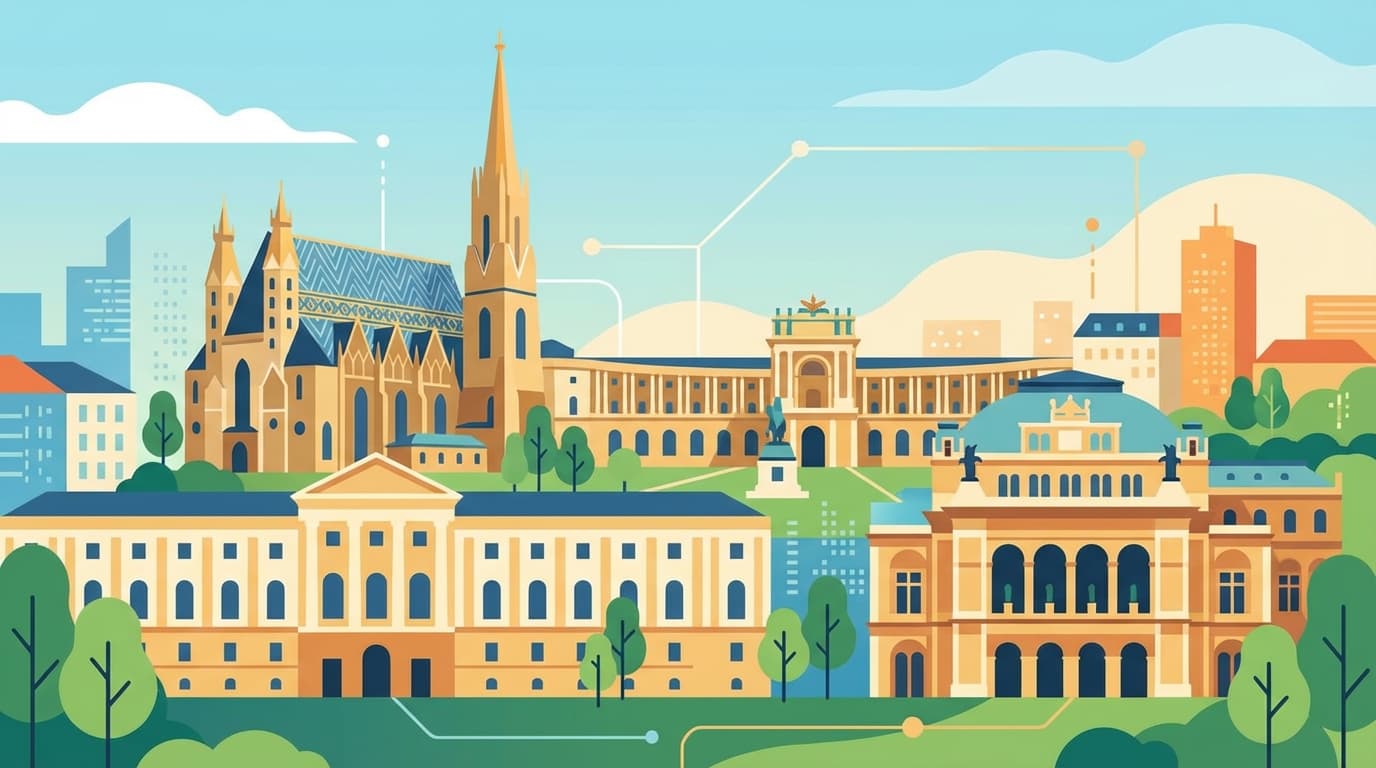
There's a moment, standing in the middle of Stephansplatz with a Gothic spire soaring above you and the faint sound of a string quartet drifting from a nearby courtyard, when Vienna stops feeling like a city and starts feeling like a living museum that someone forgot to rope off. The Austrian capital has always punched above its weight: imperial grandeur, world-class music, coffee elevated to an art form. But 2026 gives travelers a handful of extraordinary reasons to finally book that trip. From landmark cultural anniversaries and a massive pop culture event to a city-wide celebration of Viennese cuisine, this is Vienna's year. And the best place to experience all of it? The compact, walkable Innere Stadt (Vienna's historic center), where Gothic cathedrals, imperial palaces, hidden medieval courtyards, and legendary coffeehouses sit practically on top of one another.
Why Vienna Remains One of the World's Top Destinations in 2026
Vienna is the second most liveable city in the world as of 2025, tied with Zurich in the Economist Intelligence Unit's Global Liveability Index. Copenhagen nudged it from the top spot it held for three consecutive years, thanks to a slight dip in stability scores. But Vienna still pulls perfect 100-out-of-100 marks for healthcare, education, and infrastructure, according to the EIU. What does that mean for visitors? A city that's safe, efficient, beautifully maintained, and remarkably easy to get around.
The tourism numbers back this up. According to the Vienna Tourist Board's official statistics, the city recorded its best tourism year ever in 2025, with over 20 million overnight stays: a 6% increase from 2024. That momentum is rolling straight into 2026, which promises to be another landmark year for several compelling reasons.
The Year of Viennese Cuisine
The Vienna Tourist Board has designated 2026 as the year where "Viennese Cuisine takes center stage." This thematic focus puts the spotlight squarely on the city's distinctive food culture, from traditional Beisln (Viennese bistros) dishing out classics like Wiener Schnitzel and Tafelspitz to high-end restaurants pushing Austrian gastronomy into new territory. For food-loving travelers, expect special culinary events, curated dining experiences, and an even deeper emphasis on the city's edible heritage running throughout the year.
Eurovision Song Contest 2026
Vienna hosts the 70th Eurovision Song Contest in May 2026. This is a big deal. The event will flood the city with pop culture tourism, street parties, and public viewing events, creating an atmosphere that's a sharp departure from Vienna's usual association with waltzes and opera. If you're planning a late spring visit, brace yourself for a lively, festival-like energy pulsing through the historic center.
The Albertina's 250th Anniversary
Art lovers have their own reason to circle 2026 on the calendar. The Albertina Museum, one of Vienna's most important cultural institutions, celebrates its 250th anniversary this year. Founded in 1776, the museum is marking the occasion with a "Grand Past – Grand Future" program featuring major special exhibitions such as "Collecting for the Future" and "Women Artists of the Albertina," according to the Albertina Museum's official exhibition program. The Albertina houses a world-class graphic art collection (Albrecht Dürer's iconic "Hare" among its treasures) along with beautifully preserved Habsburg state rooms that are worth the visit on their own.
What Makes Vienna's Historic Center So Special?
The Innere Stadt (1st District) is the UNESCO-listed heart of Vienna and the most concentrated collection of architectural, cultural, and historical treasures in the city. UNESCO describes the Historic Centre as having "Outstanding Universal Value," citing three key periods of development: the Middle Ages, the Baroque era, and the Gründerzeit (the late 19th-century period of rapid urban expansion). The organization also recognizes Vienna's status as the "musical capital of Europe."
Read also: QR Codes in Museums: 7 Ways to Enhance Visitor Experience
There's a wrinkle to this story, though. The Historic Centre of Vienna has been on the UNESCO List of World Heritage in Danger since 2017, according to the UNESCO World Heritage Centre. The reason? A controversial "Heumarkt" high-rise development project that UNESCO believes could compromise the city's visual integrity. None of this affects the visitor experience in any tangible way; the historic center remains as stunning as ever. But it does highlight an ongoing tug-of-war between modern development and historic preservation that's very much part of Vienna's contemporary identity.
The Innere Stadt itself is compact and entirely walkable. Within its boundaries you'll find imperial palaces, Gothic churches, baroque memorials, world-famous opera houses, and some of the most elegant shopping streets in Europe. Travel experts consistently praise Vienna for its "capacity to maintain an authentic vibe despite large visitor numbers," according to Carrots and Tigers. That's no small feat for a city drawing 20 million overnight stays a year.
Top Attractions in Vienna's Historic Center
The Innere Stadt packs the highest density of sights in Vienna into a remarkably small area. These are the landmarks that define the city, and they deserve to be at the top of any visitor's itinerary.
St. Stephen's Cathedral (Stephansdom)
St. Stephen's Cathedral is the Gothic soul of Vienna. Its towering silhouette dominates the skyline of the historic center, and it has served as a place of worship and civic pride for centuries. The cathedral isn't just one experience; it's several:
- The South Tower: Standing at 136 meters tall, the South Tower demands a climb of 343 steps. The reward? Some of the best panoramic views of the city.
- The North Tower: Home to the famous Pummerin bell, the North Tower is accessible by lift, a more forgiving option for those who want elevated views without the burning thighs.
- The Catacombs: Beneath the cathedral lies a network of catacombs offering a fascinating and somewhat eerie glimpse into Vienna's past.
As of 2026, entry to the main nave of St. Stephen's Cathedral is free, according to the cathedral's official visitor information. All-inclusive tickets covering the towers, catacombs, and treasury run approximately €25–€30, while a standalone South Tower climb ticket costs around €6.
The Hofburg Imperial Palace
The Hofburg is the former imperial winter palace and one of the largest palace complexes in the world, spanning 18 wings. For centuries it served as the seat of Habsburg power. Today it houses several museums and cultural institutions. The must-see areas include:
- The Sisi Museum: Dedicated to the personal life and belongings of Empress Elisabeth (known as "Sisi"), one of the most fascinating and tragic figures in Habsburg history.
- The Imperial Apartments (Kaiserappartements): The lavishly decorated rooms where the imperial family actually lived and worked.
- The Imperial Silver Collection: A dazzling display of tableware, porcelain, and silver used by the Habsburg court.
As of 2026, an adult ticket to the Hofburg (covering the Sisi Museum, Imperial Apartments, and Silver Collection) costs approximately €17.50, according to the Hofburg Palace's official visitor information.
The Hofburg complex also houses the Spanish Riding School, world-famous for its performances featuring the elegant Lipizzaner horses. Watching these animals perform classical dressage in the baroque Winter Riding School ranks among Vienna's most iconic experiences.
Vienna State Opera (Wiener Staatsoper)
The Vienna State Opera is one of the world's leading opera houses and a cornerstone of the city's identity as the global capital of classical music. Vienna hosts over 450 balls annually, mostly between January and February, and offers daily classical concerts throughout the year. Whether you attend a full opera performance or simply stop to admire the building's grand exterior on the Ringstrasse, the Staatsoper is an essential part of any visit to the historic center.
The Albertina Museum
Perched on the southern tip of the Hofburg complex, the Albertina is celebrating its 250th anniversary in 2026 with an ambitious program of exhibitions. Beyond the temporary shows, the museum's permanent collection of graphic art (one of the largest and most important in the world) and its beautifully restored Habsburg state rooms make it a year-round highlight.
Graben and Kohlmarkt
The Graben and Kohlmarkt are Vienna's most exclusive shopping streets, lined with luxury boutiques, historic storefronts, and elegant architecture. The standout sight on the Graben is the Pestsäule (Plague Column), a dramatic baroque memorial erected to commemorate the devastating plague of 1679. Ornate and imposing, this column is one of the most striking pieces of public art in the city and a powerful reminder of Vienna's turbulent history.
Hidden Gems: The Secret Side of Vienna's Historic Center
The famous landmarks get all the attention, but the Innere Stadt is also filled with lesser-known treasures that reward the curious. The Viennese themselves value the Gemütlichkeit (coziness) of their city's hidden corners. A common local tip? Skip the tourist traps on the main drag and seek out the quieter courtyards and medieval alleys of the 1st District.
Read also: Claude vs Gemini vs ChatGPT 2026: Strategic AI Choice
Franziskanerplatz
Franziskanerplatz is a picturesque small square that feels like a secret pocket of old Vienna. It's home to the Kleines Café, a beloved local favorite that seems untouched by time. This is the kind of place where you sit with a coffee and a pastry and fall into the authentic rhythm of Viennese life, far from the crowds at Stephansplatz.
Heiligenkreuzerhof
The Heiligenkreuzerhof is a tranquil, publicly accessible courtyard complex dating back to the 12th century. Tucked between bustling commercial streets, this serene enclave offers a remarkable contrast to the busy city just steps away. It's one of the oldest surviving courtyards in Vienna and a perfect example of the layers of history embedded in the Innere Stadt.
Schönlaterngasse and the Basiliskenhaus
Schönlaterngasse is a winding medieval alley that transports you back centuries. The highlight sits at number 7: the Basiliskenhaus (Basilisk House), featuring a legendary stone basilisk on its façade. According to Viennese folklore, a basilisk (a mythical serpent-like creature) once terrorized the residents of this street. The carved figure on the building's exterior commemorates the legend and stands as one of the most charming and unusual details in the historic center.
Palais Ferstel Passage
The Palais Ferstel Passage is an elegant 19th-century arcade lined with shops and, most notably, the famous Café Central. This legendary coffeehouse was once the gathering place of intellectuals, writers, and revolutionaries. Walking through the passage feels like stepping into a gilded time capsule of Viennese grandeur.
Minoritenkirche
The Minoritenkirche is a Gothic church that most visitors overlook in favor of St. Stephen's Cathedral. Their loss. Its most remarkable feature is a full-size mosaic replica of Leonardo da Vinci's The Last Supper, commissioned by Napoleon. This extraordinary artwork alone makes the Minoritenkirche worth a detour, and the church's quiet atmosphere provides a welcome respite from the busier attractions nearby.
Practical Tips for Visiting Vienna's Historic Center in 2026
A little planning goes a long way in Vienna, especially in 2026. With Eurovision drawing crowds in May and the city's tourism numbers continuing to climb, some advance preparation will make your trip significantly smoother.
Getting Around
Vienna's public transport network, operated by Wiener Linien, is world-class. A 72-hour ticket costs €17.10: excellent value for unlimited travel on the metro, trams, and buses. For visitors planning to hit multiple attractions, two main pass options are worth considering:
- Vienna City Card: Includes public transport plus discounts at various attractions and restaurants.
- Vienna Pass: Covers entry fees to over 70 attractions, priced at approximately €137 for 3 days. When you consider that individual entry fees to major sights like the Hofburg (€17.50) and St. Stephen's Cathedral's all-inclusive ticket (€25–€30) add up fast, this pass can deliver significant savings for anyone planning an intensive sightseeing schedule.
Saving Money on Dining
Vienna is not a budget destination. But there are smart ways to manage costs. One of the best local strategies: take advantage of lunch menus (Mittagsmenü) at traditional restaurants, which are often 40–50% less expensive than dinner prices for similar dishes. With 2026 being the "Year of Viennese Cuisine," there will be no shortage of dining options to explore at every price point.
Beating the Crowds
With over 20 million overnight stays recorded in 2025 and the Eurovision Song Contest pulling in additional visitors in May 2026, the city center (especially around Stephansplatz and the Hofburg) will be extremely crowded during peak periods. Pre-booking tickets for major sites 2-3 months in advance is strongly recommended. Locals also suggest heading to Heuriger (traditional wine taverns) in the outer districts for a more authentic and less crowded experience.
Safety
Despite the slight dip in stability scores that cost Vienna its top spot in the EIU's livability rankings, the city remains one of the safest major cities in Europe for travelers. The historic center is well-lit, well-policed, and comfortable to explore on foot at virtually any hour.
A City That Rewards Every Kind of Traveler
Vienna's historic center is a place where centuries of history stack on top of one another. Medieval alleys give way to baroque palaces, which sit alongside 19th-century arcades and modern cultural institutions. In 2026, with the Albertina's 250th anniversary celebrations, the Eurovision Song Contest, and the city-wide focus on Viennese cuisine, there has genuinely never been a better time to explore the Innere Stadt.
Whether you're climbing the 343 steps of St. Stephen's South Tower for panoramic views, wandering through the hidden Heiligenkreuzerhof courtyard, savoring a Mittagsmenü at a traditional Beisl, or marveling at a mosaic replica of The Last Supper in a quiet Gothic church, Vienna's historic center delivers something both grand and intimate. It's a city that, as travel experts note, manages to maintain its authentic character even as millions of visitors walk its streets each year. And that, perhaps more than any single landmark or anniversary, is the best reason to go.
Explore the City Your Way
Book a self-guided GPS treasure hunt and discover hidden gems, landmarks, and local secrets with your team.
Related Articles
Budapest with kids beyond the baths
Budapest with kids beyond the baths: Margaret Island, a train run by children, and a two-day plan built on cheap trams and green space.
Two days in Krakow, planned for you
This Krakow 2 day itinerary plans it for you: Rynek Glowny, Wawel Hill, the Rynek Underground, and Kazimierz, plus what to book before you arrive.
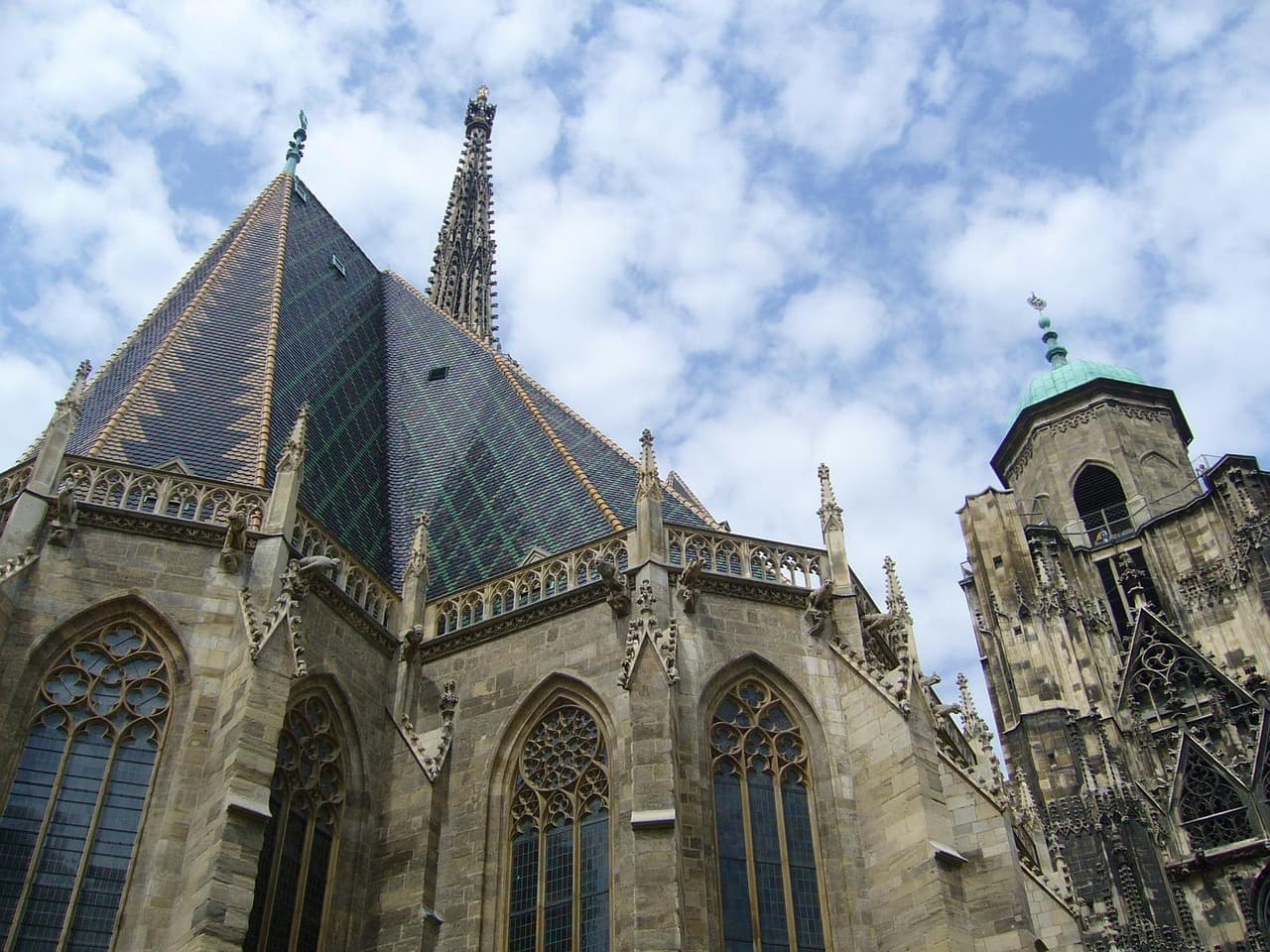
One day in Vienna without the rush
A one day in Vienna itinerary you can actually walk: a first-district route, the one-palace rule, and where to eat without rushing your morning coffee.